The five best Chosen One subversions in modern fantasy (And what makes them work)
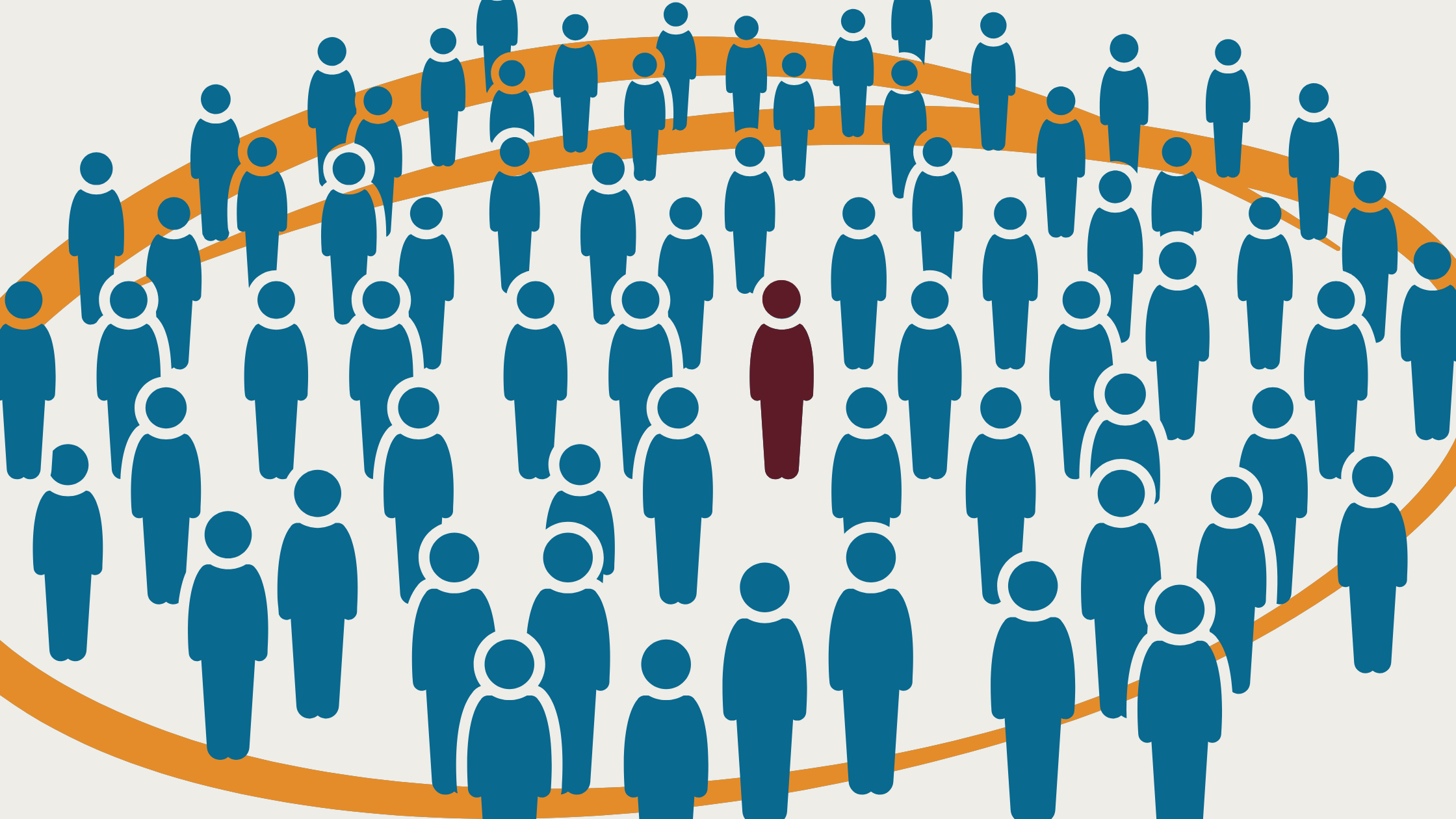
An ordinary person is plucked from obscurity to save the world. They do so. Happily ever after. The Chosen One trope is so ingrained in fantasy fiction that it’s sometimes seems laughably predictable. But not every Chosen One story follows a farm boy nor ends at happily ever after. Fantasy fiction is a genre of conventions, that’s why we see the same elements recurring across different fantasy series. Dragons, wizards, enchanted forests. This is the stuff that draws readers back to the genre over and over. It’s the writer’s execution that keeps us engaged, and one tried-and-true tool for achieving that is subversion.
Subversion is the process of re-examining something familiar, typically through a different lens. A long-time favourite of the form is the feminist retelling of Greek mythology (see Margaret Atwood’s The Penelopiad for a masterclass in subversiveness). Many beloved fantasy subgenres were actually born through acts of subversion — deliberate or otherwise.
Many writers have subverted the Chosen One trope. I’ve waxed lyrical about how Frank Herbert practically reinvented the concept of a messianic saviour in his science fiction opus Dune. But he’s far from the only writer to put a fresh spin on this archetypal figure. Here are five of the best Chosen One subversions in modern fantasy and why they work.
* Quick caveat: I’ll do my best to avoid spoilers below.
1. An Administrative error: Mistborn by Brandon Sanderson
Scadrial, the world of Sanderson’s Mistborn trilogy is a literal ash-heap because the Hero of Ages supposedly failed a thousand years ago. Without spoiling the massive twists, the series plays a shell game with who the Chosen One actually is and what the prophecy even meant.
Why it works: Sanderson doesn’t work with an ontological concept of destiny; there’s no fate-like imperative nor guarantee that the world will be saved. In fact, he explores in depth not only what it means to be a Chosen One, but also a Dark Lord, and how the line between one and the other means nothing when the hero makes a really, really bad call.

Credit Unsplash
2. Chosen by nobody: A Deadly Education by Naomi Novik
A foundational text of the dark academia craze, A Deadly Education is one of my personal favourite trilogies of recent memory. It’s impossible to untangle the specific of exactly how “fate” plays out in the trilogy without enormous spoilers. But the novel’s hero, El, is a fascinating example of a multifaceted subversion of the trope. For one: she’s undeniably the most powerful student at her school, but she’s largely shunned and her gifts tend exclusively toward mass destruction.
Why it works: It’s funny. Novik wrings so much dark comedy and genuine pathos from the premise that being Chosen doesn’t necessarily mean being useful, or safe.
3. After happily ever: Chosen Ones by Veronica Roth
Happily ever after is one of the most lampooned phrases from classic literature. Deconstructed endlessly and often, the idea that the heroes of a story exist in some state of perpetual, suspended bliss has been roundly — and interestingly — picked apart in myriad forms. Chosen Ones is a perfect example. Following a group of young heroes after they’ve defeated the Dark One, Roth uses the trope as a critique of fantasy fiction that ends at the victory parade without asking what comes next.
Why it works: Roth uses the premise to full effect. It’s not an idle exploration of the next chapter in a hero’s life, but a systematic exploration of the cost of heroism, from PTSD through to media scrutiny.
4. Background Characters: The Rest of Us Just Live Here by Patrick Ness
Patrick Ness is an incredibly emotive writer with a knack for making the ordinary magical and the magical … not ordinary, but perhaps secondary. In The Rest of Us Just Live Here, the indie kids destined to fight the Immortals are background noise. The story focuses on Mikey and his friends, who just want to graduate high school and deal with their own very real, non-magical problems while the school keeps blowing up.
Why it works: It highlights the trope’s absurdity of the trope. By ignoring the “hero”, Ness validates the everyday struggles of normal people. It’s a reminder that you don't need a prophecy to make your life's stakes feel monumental.

Credit Unsplash
5. Chosen One as a Monster: The Poppy War by R.F. Kuang
R.F. Kuang is something of a prodigy, and though many readers my know her best for Babel and Yellowface, fantasy readers were introduced to her first via The Poppy War. There’s a lot to love about the trilogy, but the way Kuang handles destiny is one of its most interesting aspects. The novel’s hero, Fang Runin (Rin) is a war orphan who claws her way into an elite military academy and learns to commune with gods. In a traditional story, she’d use this power to bring peace. In this story, the god Rin becomes most closely associated with is a vengeful force of chaos, while Rin’s destiny is fuelled by rage and trauma. What could go wrong?
Why it works: It explores the psychological toll of power, subverting the idea that the Chosen One is inherently moral. Rin’s journey is a descent into darkness that asks: What happens when you give a victim the power to become the victimizer?
You are the Chosen One
Exploring these examples of Chosen One subversions tells us one thing: anyone can be the saviour of their own story — for good or for ill. Remember, these are five of the best, not the definitive top five. If you’d like to drop your favourite in the comments, I’ll happily update this article with honourable mentions.
Now, you have been chosen for a divine purpose. I’d like you to follow my writing journey as I work on my own Chosen One subversion. Learn here how I’m tackling the trope in the All-Song Saga Book One, The Fortune-Teller’s Son.
Support the Journey
Join the All-Song. If you enjoy deep dives into the shadows of twisted cities, lyrical prose, and tormented teenage protagonists, sign-up to my newsletter. I’ve been on this road alone for a long time. It’s nice to finally have some company.