My comp books - If I could choose what I want

Comp titles. Love them or hate them? Don’t know what they are? Lucky bugger. I hope you never have to distil your life’s work down to a pithy comparison for a cover letter or - God forbid - a synopsis. For those in the know: I feel your pain. But what am I actually banging on about? Comparison titles are books you compare your novel to so that agents or publishers understand your audience/market at a glance. The formula is often Book A via Book B, or Book A with insert shiny new thing here.
I’ve burned through a few comp titles for The Fortune-Teller’s Son. Currently, I’m rolling with James Islington’s ‘The Will of the Many’ via the Netflix show ‘Arcane’. Why? Well, hopefully that conveys that it’s a character-driven fantasy epic of high-stakes duplicity with weird urban worldbuilding. Why else? Well, in the words of the Stones, you can’t always get what you want.
So, what are the practical limitations on comp titles, and what would I pick if there were no holds barred?
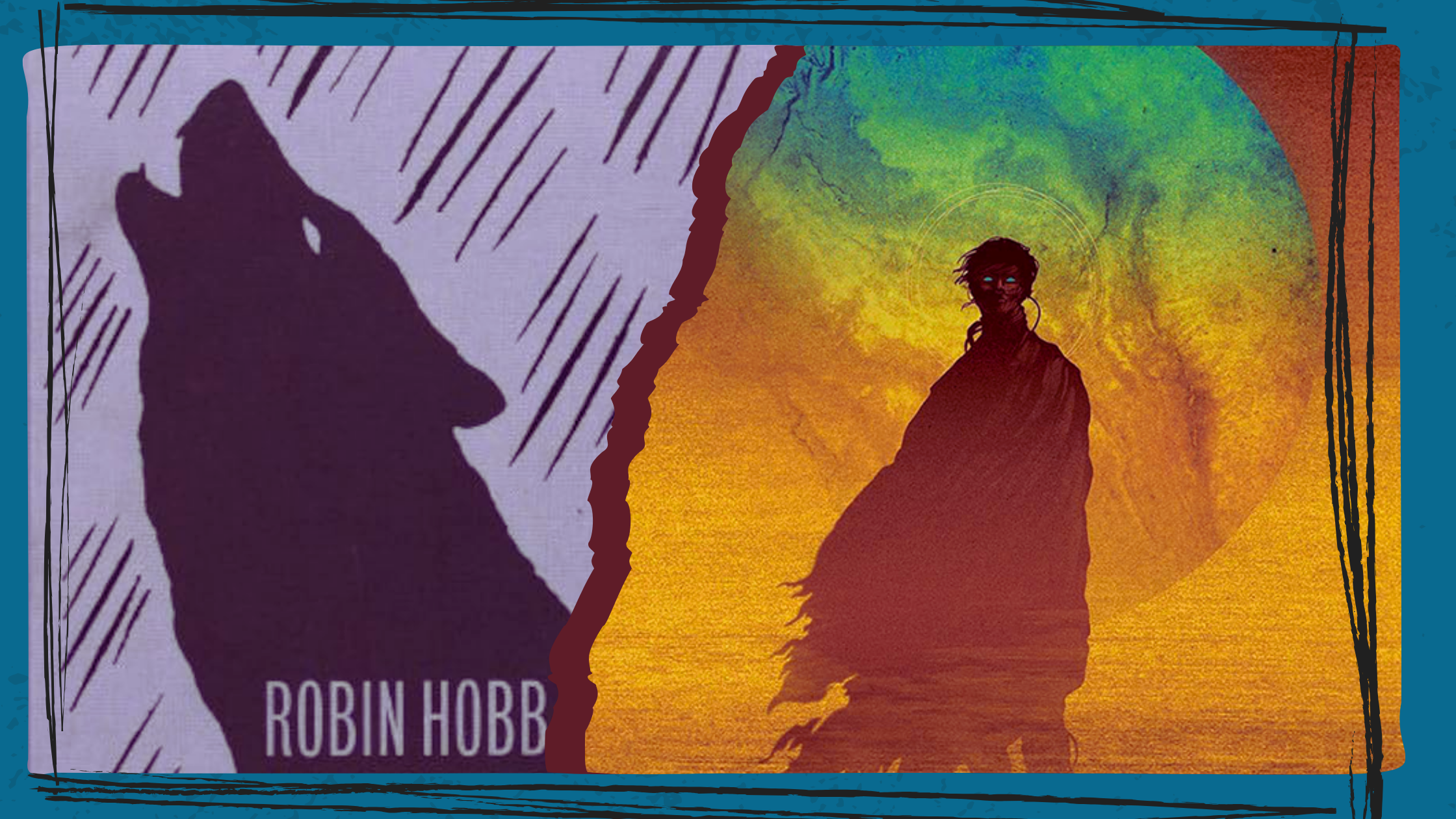
My ideal comp titles and why
My influences span a massive range of genres and authors. I could list literary writers, poets, filmmakers who’ve had a profound effect on how and why I write in general, but comp titles aren’t about self promotion. They’re about the book. With that in mind, two novels stand out as the greatest inspirations for The Fortune-Teller’s Son.
The Assassin’s Apprentice by the inimitable Robin Hobb
Dune by the extraordinary Frank Herbert
Hobb is a perennial influence on my work. She is the fantasy fiction writer who inspires me most. But I’ll confess to not having read ‘Dune’ until the Villeneuve film released in 2021. It blew me away. The cinematography. The score. Of course, the story, but I only really appreciated the details of that when I sat down to the read the novel.
The initial seed of an idea for The Fortune-Teller’s Son was a crossover fantasy novel that dealt with the enormous political and prophetic intrigue of ‘Dune’ but through a different lens. What if the messiah isn’t the son of an extremely powerful house, but a pauper? A young man, maybe a bastard. Better yet, what if the people who believe he’s the Chosen One are mistaken? Better still, what if his own desperate urge to survive miscasts him as the saviour of not one, but two opposing factions?
It took on a life of its own from there.
Why can’t I pick these two as my comps?
Look, there’s no rulebook that says you absolutely can’t do this or that. However, industry experts share a lot about best practices, and we’re best taking them at their word. I simply cannot go around saying: My book is Assassin’s Apprentice via Dune. Firstly, it’s a bit braggy. Oh, my novel is only what you get if you cross one of the most beloved fantasy sagas of all-time with one of the world’s greatest space operas. Talk about setting expectations a bit high.
Using ‘Dune’ also muddies the message. What part of Herbert’s work am I comparing mine to? A comp title is meant to tell agents/publishers about the marketability of my book. Crossing genres this way can, therefore, be confusing. Is my novel fantasy or sci-fi? It’s fantasy. I know that. But would they?
So, while those two are clear to me, they don’t really track. Also, recent comps tend to trump classics. The agents/publishers want to know that there’s a market for the book now, not during the 80s and 90s. I’ve seen suggestions that books published more than five years ago are best avoided as comps. Seems brutal, but that’s the business, folks.